


Phonetic and Graphical Stylistic Means
Phonetic Stylistic Means:

Definition of Onomatopoeia
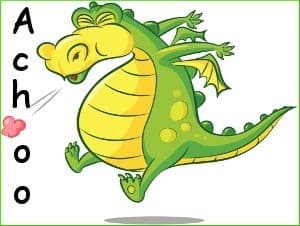
Onomatopoeia refers to a word that phonetically mimics or resembles the sound of the thing it describes. For example, the words we use to describe the noises that animals make are all onomatopoetic, such as a dog’s “bark,” a cat’s “meow,” or a coo’s “moo.” Interestingly, the onomatopoetic words for animal sounds change quite a bit from one language to another, as the words must fit into the larger linguistic system. Therefore, while a pig says “oink” in English, it says “buu” in Japanese, “grunz” in German, “knor,” in Dutch, and so on.

Common Examples of Onomatopoeia
As noted above, almost all animal noises are examples of onomatopoeia. There are hundreds of other onomatopoeia examples in the English language, however. Here are some categories of words, along with examples of each:
- Machine noises—honk, beep, vroom, clang, zap, boing
- Animal names—cuckoo, whip-poor-will, whooping crane, chickadee
- Impact sounds—boom, crash, whack, thump, bang
- Sounds of the voice—shush, giggle, growl, whine, murmur, blurt, whisper, hiss
- Nature sounds—splash, drip, spray, whoosh, buzz, rustle

Definition of Alliteration
Alliteration is the repetition of the same consonant sounds at the beginning of words that are in close proximity to each other. This repetition of sounds brings attention to the lines in which it is used, and creates more aural rhythm. In poems, alliteration can also refer to repeated consonant sound in the stressed syllables of a line.
Common Examples of Alliteration
Many common tongue twisters contain examples of alliteration. For instance:
- Peter Piper picked a peck of pickled peppers.
- She sells seashells by the seashore.
- A big black bug bit a big black dog and the big black dog bled blood.
- Betty Botter bought some butter, but she said, this butter’s bitter; if I put it in my batter, it will make my batter bitter, but a bit of better butter will make my bitter batter better.
ASSONANCE
Definition of Assonance
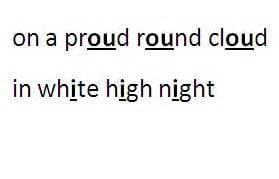
Assonance is the repetition of a vowel sound or diphthong in non-rhyming words. To qualify as assonance, the words must be close enough for the repetition of the sound to be noticeable. Assonance is a common literary technique used in poetry and prose, and is widely found in English verse.

RHYME
Definition of Rhyme
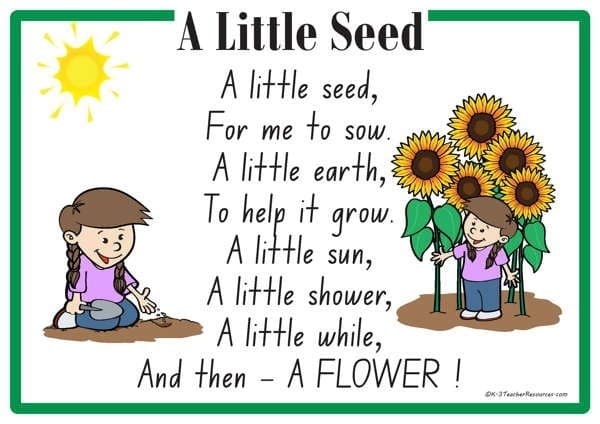
Rhyme is a popular literary device in which the repetition of the same or similar sounds occurs in two or more words, usually at the end of lines in poems or songs. In a rhyme in English, the vowel sounds in the stressed syllables are matching, while the preceding consonant sound does not match. The consonants after the stressed syllables must match as well. For example, the words “gaining” and “straining” are rhyming words in English because they start with different consonant sounds, but the first stressed vowel is identical, as is the rest of the word.
Dear students, I made a crossword. Write your answers in the comments.

1. This sentence is printed in …
2. Define stylistic means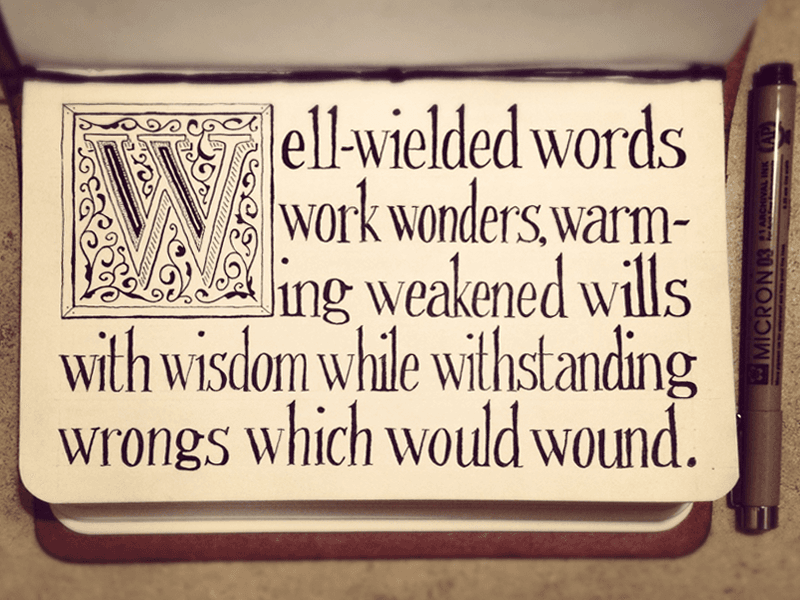
3. Define stylistic means

4. Define stylistic means
“Twinkle, twinkle little star
How I wonder what you are”
5. Define stylistic means
6. ... is the writing of a word with its first letter in uppercase and the remaining letters in lowercase.
7. Define stylistic means
The la-a-a-a-a-a-a-a-a-a-a-argest tree in the world.